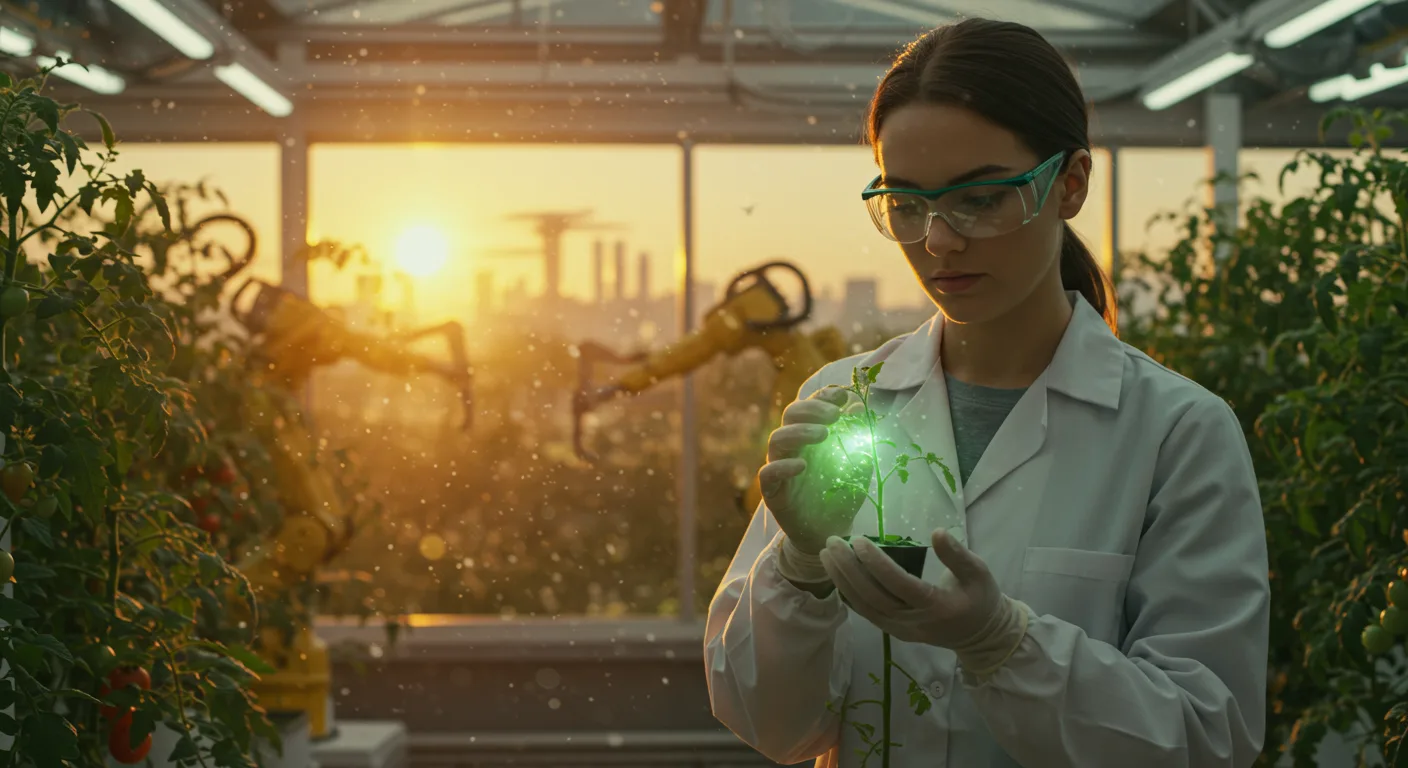
Understanding the Scope of Science and Technology
The terms science and technology are often used interchangeably, but understanding their nuances is essential. Science is the systematic study of the natural and physical world through observation and experimentation. It’s about uncovering fundamental truths and principles. Technology, on the other hand, is the application of scientific knowledge for practical purposes. It’s about creating tools, processes, and systems to solve problems and improve our lives.
Think of it this way: science discovers that a particular material conducts electricity efficiently; technology uses that knowledge to create a more efficient power grid.
The relationship between science and technology is symbiotic. Scientific discoveries often drive technological advancements, and technological innovations often enable further scientific exploration. For example, the invention of the telescope, a technological marvel, revolutionized astronomy, a scientific discipline.
Staying informed about developments in science and technology news is crucial in today’s rapidly evolving world. It allows us to understand the forces shaping our future and make informed decisions about our lives and careers.
Key Scientific Disciplines
Science encompasses a vast range of disciplines, each focusing on a specific aspect of the natural world. Here are some of the most prominent:
- Physics: The study of matter, energy, and their interactions. It seeks to understand the fundamental laws governing the universe, from the smallest subatomic particles to the largest galaxies.
- Chemistry: The study of the composition, structure, properties, and reactions of matter. It explores how atoms and molecules combine to form substances and how these substances interact with each other.
- Biology: The study of living organisms, including their structure, function, growth, evolution, and distribution. It encompasses a wide range of sub-disciplines, such as botany, zoology, and microbiology.
- Astronomy: The study of celestial objects and phenomena, such as stars, planets, galaxies, and the universe as a whole. It seeks to understand the origin, evolution, and ultimate fate of the cosmos.
- Earth Science: The study of the Earth’s physical structure, composition, processes, and history. It includes disciplines such as geology, oceanography, meteorology, and environmental science.
These disciplines are not mutually exclusive. In fact, many scientific advancements occur at the intersection of multiple disciplines. For instance, biophysics combines principles of physics and biology to study the physical processes underlying biological phenomena.
Exploring Technological Domains
Technology is equally diverse, encompassing a wide array of fields and applications. Here are some key areas:
- Information Technology (IT): This includes everything related to computers, software, networks, and the internet. It’s the backbone of modern communication, business, and entertainment.
- Biotechnology: This field uses biological systems to develop new technologies and products. It has applications in medicine, agriculture, and environmental science.
- Nanotechnology: This deals with the manipulation of matter at the atomic and molecular level. It has the potential to revolutionize fields such as medicine, manufacturing, and energy.
- Artificial Intelligence (AI): This involves creating computer systems that can perform tasks that typically require human intelligence, such as learning, problem-solving, and decision-making. AI is rapidly transforming many industries.
- Renewable Energy Technology: This focuses on developing sustainable energy sources, such as solar, wind, and geothermal power. It’s crucial for addressing climate change and ensuring a secure energy future.
These technological domains are constantly evolving, with new innovations emerging at an accelerating pace. Staying abreast of these developments is essential for individuals and organizations alike.
Staying Informed: Science and Technology News
Keeping up with the latest science and technology news can feel overwhelming, but several resources can help:
- Reputable News Outlets: Major news organizations like the New York Times, the BBC, and the Wall Street Journal have dedicated science and technology sections.
- Specialized Publications: Magazines and websites like Scientific American, Nature, and Wired provide in-depth coverage of specific scientific and technological developments.
- University and Research Institution Websites: Many universities and research institutions publish news releases and articles about their latest findings. These can provide valuable insights into cutting-edge research.
- Social Media: Platforms like Twitter and LinkedIn can be useful for following scientists, engineers, and organizations in your areas of interest. However, be sure to verify the credibility of the sources you follow.
- Podcasts and Video Channels: Many podcasts and video channels offer engaging and informative content about science and technology.
According to a 2025 Pew Research Center study, 62% of adults get their science news from online sources, highlighting the importance of digital literacy and critical evaluation of information.
The Impact of Science and Technology on Society
Science and technology have a profound impact on society, shaping our lives in countless ways. From the food we eat to the way we communicate, technology has revolutionized almost every aspect of human existence.
Here are some key areas where science and technology are making a significant difference:
- Healthcare: Advances in medical technology have led to new treatments, diagnostic tools, and preventative measures, improving human health and extending lifespans.
- Communication: The internet and mobile technology have transformed the way we communicate, connect, and access information.
- Transportation: Innovations in transportation technology have made it easier and faster to travel around the world.
- Agriculture: Technological advancements in agriculture have increased food production and improved the efficiency of farming practices.
- Manufacturing: Automation and robotics have revolutionized manufacturing processes, increasing productivity and reducing costs.
However, it’s important to acknowledge that science and technology can also have negative consequences. For example, the use of fossil fuels has contributed to climate change, and the development of weapons technology has led to devastating conflicts. Therefore, it’s crucial to consider the ethical implications of scientific and technological advancements and to use them responsibly.
Future Trends in Science and Technology
Looking ahead, several emerging trends in science and technology promise to shape the future:
- Quantum Computing: This revolutionary computing paradigm has the potential to solve problems that are intractable for classical computers, with applications in fields such as medicine, materials science, and finance.
- The Metaverse: While still in its early stages, the metaverse is a persistent, shared, 3D virtual world that could transform the way we interact with each other and with technology.
- Sustainable Technology: As the world grapples with climate change, there’s a growing focus on developing sustainable technologies that reduce our environmental impact. This includes renewable energy, energy storage, and carbon capture technologies.
- Personalized Medicine: Advances in genomics and other technologies are enabling the development of personalized medicine, which tailors treatments to an individual’s unique genetic makeup.
- Space Exploration: Renewed interest in space exploration is driving innovation in areas such as rocketry, robotics, and materials science.
These are just a few of the many exciting developments on the horizon. By staying informed and engaged, we can harness the power of science and technology to create a better future for all.
Based on my experience consulting with tech startups, the key to success lies in identifying real-world problems and developing innovative solutions that address those problems effectively. This requires a deep understanding of both the science and the technology involved, as well as a keen awareness of market needs.
What is the difference between science and technology?
Science is the pursuit of knowledge about the natural world through observation and experimentation. Technology is the application of that knowledge to create tools, processes, and systems that solve problems and improve our lives.
Why is it important to stay informed about science and technology news?
Staying informed allows us to understand the forces shaping our future, make informed decisions about our lives and careers, and participate in discussions about the ethical and societal implications of scientific and technological advancements.
What are some reliable sources of science and technology news?
Reputable news outlets, specialized publications, university and research institution websites, and social media (with verified sources) are all good options.
How are science and technology impacting society?
Science and technology have a profound impact on society, transforming areas such as healthcare, communication, transportation, agriculture, and manufacturing. They also raise ethical and societal concerns that need to be addressed.
What are some future trends in science and technology?
Some key trends include quantum computing, the metaverse, sustainable technology, personalized medicine, and space exploration.
Science and technology are the driving forces behind progress in the 21st century. By understanding the basics of these fields, staying informed about the latest science and technology news, and considering the ethical implications of new developments, you can navigate this rapidly changing world more effectively. Start by exploring one area that interests you and build your knowledge from there. Are you ready to embark on your science and technology journey?




