 Editorial Team
Key Takeaways
- Speculation about spot Ethereum ETFs and growing institutional interest pushed Bitcoin’s October 2026 surge, not a direct change in Fed policy.
- History shows an often-inverse link between Bitcoin’s price and Fed rate decisions, as rate hikes usually cool down speculative assets.
- Keep an eye on the Q4 2026 inflation reports and FOMC meetings, they’re the key signals for Bitcoin’s short-term stability.
- The 10-year Treasury yield is a macro indicator to watch, since its moves often signal what’s next for risk assets like crypto.
- Using dollar-cost averaging and diversifying your crypto holdings are good ways to manage the volatility that comes from big-picture economic pressure.
Bitcoin shot past the $70,000 mark in October 2026, getting everyone talking about its staying power again. The move happened even with stubborn inflation and a hawkish Federal Reserve. But can this rally actually survive the weight of central bank policy?
The October Rally: What Drove Bitcoin Up?
Bitcoin’s performance in October 2026 defied a lot of expectations, with gains that caught even veteran analysts off guard. The rally was fired up by a mix of factors, and a dovish Fed pivot wasn’t one of them. A huge part of it was speculation over the likely approval of several spot Ethereum Exchange-Traded Funds (ETFs). After Bitcoin spot ETFs took off earlier in the year, the market started betting on a similar flood of institutional money into Ethereum, which tends to drag Bitcoin up with it. That story got a lot more believable when reports from Bloomberg Intelligence suggested regulators were getting more comfortable with crypto, making an SEC approval in early 2027 seem more likely.
On top of that, you had fresh interest from Wall Street pushing prices up. Big investment banks like JP Morgan and Goldman Sachs put out research in late September pointing to a more mature, regulated digital asset market. Even though the reports were cautious, they admitted that big institutions were adopting crypto and that custody solutions were getting stronger which makes Bitcoin a much easier sell for large investors. This is a structural change in how finance views digital assets, not just retail hype. The old “Bitcoin as an inflation hedge” story also came back, though maybe with a little less steam than before, since high inflation numbers from the Bureau of Labor Statistics are still a problem for every asset class.
Federal Reserve’s Stance and Historical Precedent
The Fed’s policy calls the shots in global markets, and crypto is definitely not immune. The central bank stuck to a tight monetary policy through 2025 and into 2026, using high interest rates to fight inflation. When rates go up, speculative assets like Bitcoin usually get hit because safer investments like Treasury bonds start looking better. We saw this play out perfectly during the Fed’s hiking cycle from March 2022 to July 2023, when Reuters data shows Bitcoin took major hits right after FOMC meetings announced more rate increases.
But the connection isn’t always so clean. The market often “prices in” rate hikes before they happen, so the actual announcement barely makes a ripple. We saw that a few times in 2026 when Bitcoin held up surprisingly well against more hikes. The thing that really matters is the Fed’s forward guidance and what they say about future inflation and growth. Just a whiff of a potential pause or a pivot to cutting rates could send a firehose of capital into riskier assets. On the flip side, if the Fed stays hawkish because inflation won’t quit, Bitcoin’s recent gains could vanish fast.
I find that too many people in crypto try to pretend Bitcoin exists in a vacuum, separate from the macro world, and that’s a huge mistake. The Fed’s moves affect everything. If you’re ignoring the Federal Funds Rate, CPI, or PPI, you’re basically sailing without checking the weather forecast. Sure, you might be fine for a while. But a storm will hit eventually. We saw that in 2022, and the core dynamics are the same today, even if the story has changed. Take the 10-year Treasury yield, for example. It’s a great barometer for what the market thinks the Fed will do next. A rising yield means higher borrowing costs and less risk-taking, while a falling yield suggests the opposite, giving you a much better read on sentiment than just watching crypto news.
Inflation, Interest Rates, and Crypto’s Allure
The Fed has two jobs: keep prices stable and employment high. In 2026, inflation is the big problem, with CPI numbers stuck well above the Fed’s 2% target. Their main weapon against this has been jacking up interest rates to slow down spending, and for crypto, this makes things complicated. Some people will always argue that Bitcoin is an inflation hedge because of its fixed supply, a story that got a lot of play during the QE and currency debasement fears. But higher interest rates make holding a non-yielding asset like Bitcoin more expensive. When you can get a guaranteed 5% or more from a T-bond, the gamble on Bitcoin starts to look less attractive to certain investors.
So the October rally was a weird divergence. It tells us something other than just interest rates is driving the price. Maybe the market is front-running the end of the rate hike cycle, even though the Fed hasn’t said a word about it. Or, like I said before, maybe the institutional money coming in is building a new price floor that isn’t as spooked by small rate changes. The upcoming November and December CPI reports are going to be huge. If inflation cools off, the Fed gets breathing room to pause, which would be great for Bitcoin. But if inflation heats up again, the Fed will have to act, which means more hikes that will really test Bitcoin’s new strength. The market is always trying to balance these two stories.
What Lies Ahead: Q4 2026 Outlook and Beyond
As we head into the last quarter of 2026, a few things will really steer Bitcoin’s price. All eyes will be on the FOMC meetings in November and December, parsing every word for clues about policy changes. Even a hint that the Fed is thinking about loosening up could give crypto another boost. Of course, more hawkish talk will probably push prices down. Traders should also watch the U.S. dollar, because a strong dollar is usually bad for Bitcoin. And the dollar’s value is all about interest rate differences and how stable the global economy looks.
And it’s not all macro. Regulation is still a huge question mark for crypto. The spot Bitcoin ETF approval was a good step, but we still don’t have a clear rulebook for the whole industry. What happens in Congress with stablecoin laws and market structure rules could either build confidence or throw everything into doubt. Clear rules for exchanges would bring in more big money, but regulations that are too tight could kill innovation. The market just wants to know the rules of the game. Any movement here will have an effect.
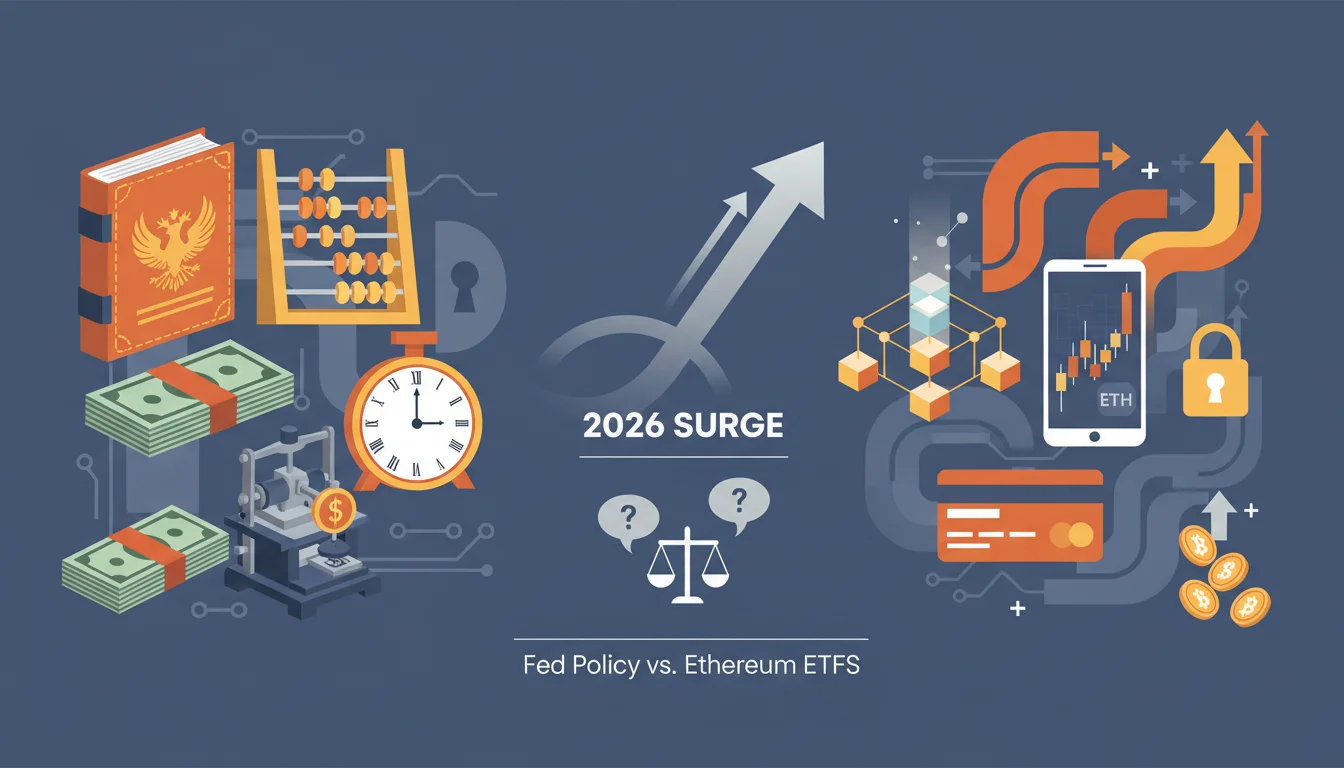
From my perspective, the October pump showed there’s real demand out there, but you can’t ignore the macro headwinds. The market is caught in a tug-of-war between the long-term story of adoption and the short-term reality of Fed policy. What does that mean for you? More volatility. Don’t expect a straight shot to the moon just because of one good month. Smart money will stick to things like dollar-cost averaging and diversification instead of YOLO-ing into one coin on a short-term pump. The Fed is still the 800-pound gorilla in the room, and it’s a mistake to forget that.
That impressive October 2026 surge for Bitcoin is now up against the Fed’s stubborn fight with inflation. Investors need to pay close attention to economic data, Fed-speak, and the shifting sands of regulatory policy. How institutional adoption stacks up against macro policy is what will determine where Bitcoin goes from here.
What caused Bitcoin’s price surge in October 2026?
The October 2026 surge came from excitement over possible spot Ethereum ETFs and big institutions getting interested, not from a direct Fed policy shift.
How do Federal Reserve interest rates typically affect Bitcoin?
Usually, when the Fed raises interest rates, speculative assets like Bitcoin get hit because safer investments with guaranteed returns look more appealing. It raises the opportunity cost of holding something that doesn’t pay a yield.
What key economic indicators should Bitcoin investors watch?
Keep a close eye on inflation data (CPI, PPI), what the Fed says at its FOMC meetings, the Federal Funds Rate, and the 10-year Treasury yield. They all give you big clues about monetary policy and market mood.
Is Bitcoin considered an inflation hedge?
Some argue it’s an inflation hedge because there’s a limited supply, but that idea gets seriously tested when the Fed is aggressively hiking interest rates. Its effectiveness is still up for debate.
What is the outlook for Bitcoin in late 2026?
Bitcoin’s outlook for the rest of 2026 is going to be choppy. It all hinges on what the Fed does with interest rates, where inflation goes, and how crypto regulation develops. Expect volatility.


